Why Humane Wildlife Removal Is Important for Property and Animal Safety
People seeking humane wildlife removal aim to safely and ethically remove animals from their property, and local service providers can handle the job effectively and responsibly.
Understanding why humane wildlife removal is important for property and animal safety can help property owners address common concerns before they escalate. Unwanted animals such as raccoons, squirrels, or bats often find their way into attics, crawl spaces, or walls, causing damage and creating potential health risks. Engaging with local service providers who specialize in humane wildlife removal ensures that these animals are handled ethically and effectively, reducing the likelihood of property damage and preventing dangerous encounters. By learning more about this approach, property owners can take proactive steps to protect their homes and loved ones while respecting the well-being of local wildlife.
Exploring the practical reasons behind humane wildlife removal highlights its role in maintaining property integrity and safety. When animals are removed humanely, it minimizes stress and injury for the animals and prevents destructive behaviors that could threaten structural integrity. Local contractors skilled in humane removal methods can help identify entry points, safely relocate animals, and implement preventative measures to keep unwanted visitors out. Keeping this topic in focus encourages property owners to seek out knowledgeable service providers who prioritize ethical practices, ensuring that property and animal safety are both maintained effectively.
- Bird control services - local contractors can help remove nesting birds that pose health risks and cause property damage using humane methods. Squirrel removal - local service providers can safely handle squirrel infestations that threaten wiring and insulation. Bat exclusion - local pros can effectively and humanely remove bats from attics to prevent structural damage and health hazards. Raccoon removal - local contractors can address raccoon intrusions that can spread disease and damage roofs or vents. Skunk removal - local service providers can humanely eliminate skunks to prevent property destruction and odor issues.
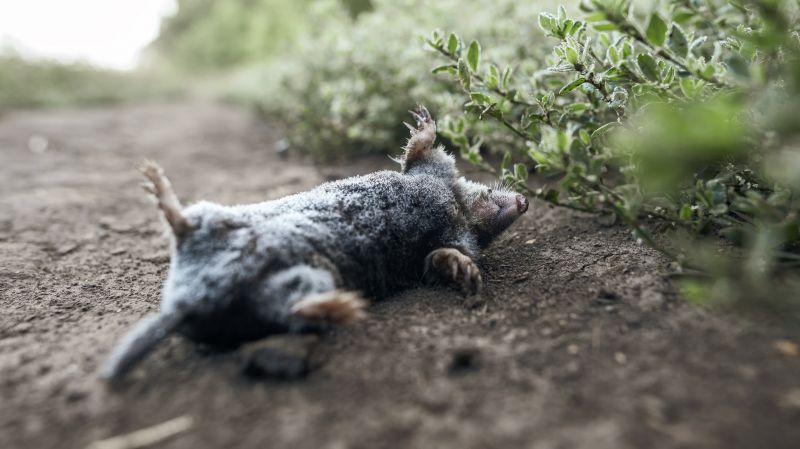
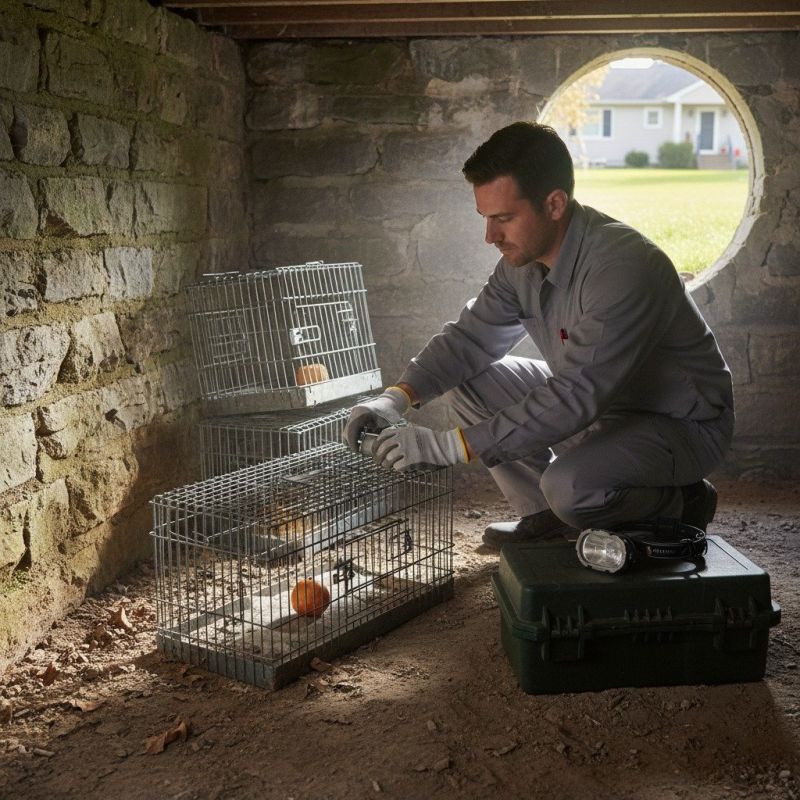
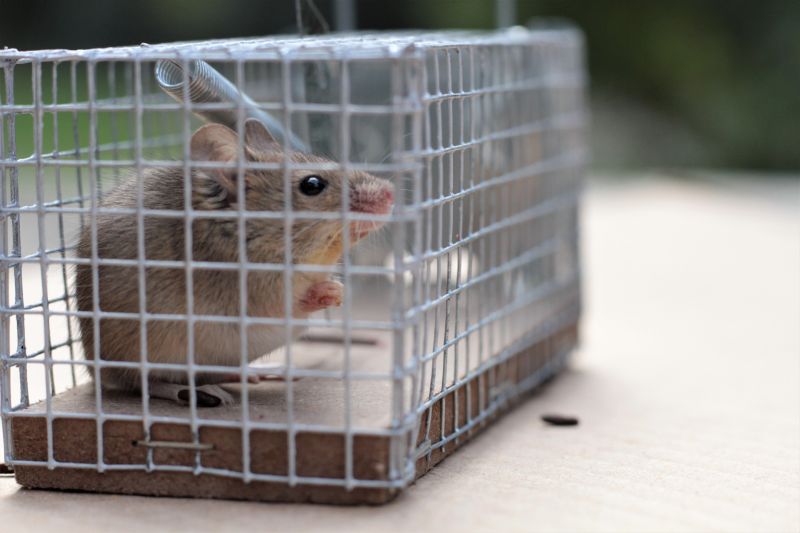
When people search for why humane wildlife removal is important for property and animal safety, they are often concerned about the presence of wild animals causing damage or creating hazards around their homes or businesses. Commonly, property owners notice animals such as raccoons, squirrels, bats, or birds nesting in attics, chimneys, or wall cavities. They seek solutions that not only eliminate the immediate problem but also prevent future issues, all while ensuring animals are handled ethically. This search reflects a desire to balance effective removal with humane treatment, recognizing that animals can pose risks to property integrity and personal safety if left unmanaged.
The problems associated with wildlife intrusion often involve property damage, health risks, and the potential for animals to create dangerous situations. For example, rodents and bats can chew through wiring, increasing the risk of fire, while nesting birds or raccoons might cause structural damage or block ventilation systems. Additionally, animals can carry parasites or diseases that pose health concerns for residents. Many property owners plan to address these issues through removal and exclusion strategies, aiming to restore safety and prevent animals from returning. Humane wildlife removal services are frequently sought to ensure these plans are executed ethically, avoiding unnecessary harm while protecting property.
Properties that typically come up in discussions about humane wildlife removal include residential homes, especially those with attics, basements, or rooflines that provide easy access points for animals. Commercial buildings, particularly warehouses or retail spaces with large roof structures or storage areas, also often experience wildlife issues. Additionally, rural properties, farms, and outbuildings are common sites where animals may seek shelter or nesting spots. Regardless of the property type, the goal remains the same: to remove animals humanely and implement measures that keep both the property and the animals safe moving forward.
Understanding why humane wildlife removal is important for property and animal safety helps homeowners see the connection between wildlife control and overall property maintenance. Local service providers can assess specific situations, identify entry points, and safely remove animals using ethical practices. They also help implement exclusion methods to prevent future intrusions, reducing the risk of property damage and health hazards. For property owners, working with experienced pros ensures that wildlife is handled responsibly, minimizing stress for the animals and protecting the integrity of the property. This approach supports a safe, humane resolution to wildlife conflicts that benefits both the property and the animals involved.
Bird control projects - these involve installing bird deterrents and exclusion devices, which require similar planning and tools used in humane wildlife removal to prevent property damage and animal entry.
Rodent proofing services - sealing entry points and implementing exclusion techniques are common skills shared with humane wildlife removal to ensure rodents and other pests cannot access the property.
Attic cleanup and restoration - removing animal droppings and nesting materials parallels the cleanup aspects of humane wildlife removal, promoting property safety and hygiene.
Bat exclusion and removal - specialized techniques for safely removing bats and sealing roosting sites align closely with humane wildlife removal methods focused on animal safety and property protection.
Insect and pest exclusion - applying barriers and exclusion strategies to prevent pests from entering structures shares planning and tool use with humane wildlife removal efforts.
Wildlife habitat modification - altering landscaping or outdoor environments to discourage animal activity involves planning skills also used in humane wildlife removal to protect property and animals.
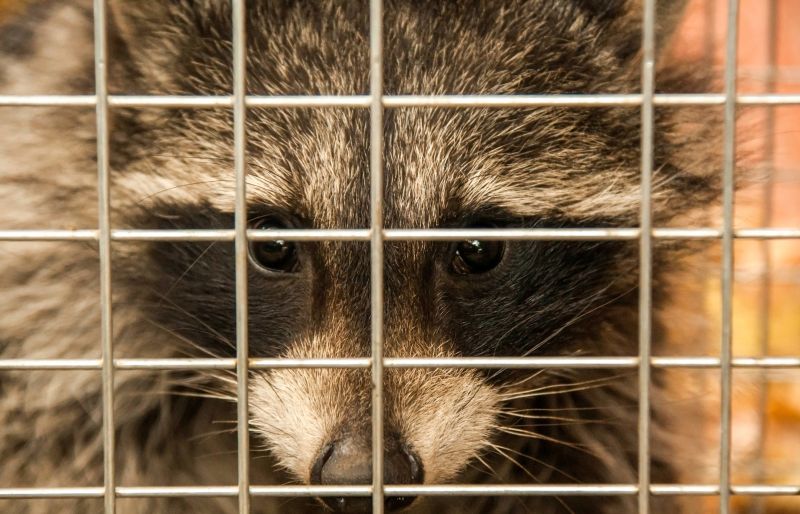
When comparing local service providers for humane wildlife removal, it is essential to consider their experience with similar projects. A contractor with a proven track record in handling wildlife issues can demonstrate familiarity with common challenges and effective solutions. Homeowners should look for providers who can share examples of past work that align with their specific needs, such as removing raccoons, squirrels, or bats from residential properties. This experience helps ensure that the chosen professional understands the nuances of humane removal methods and can handle the situation efficiently and responsibly.
Clear, written expectations are a key factor when evaluating potential service providers. A reputable contractor should be able to provide detailed descriptions of the removal process, including how animals will be safely and humanely relocated, and what steps will be taken to prevent future visits. Having this information in writing allows homeowners to understand exactly what services will be performed and helps set realistic expectations. It also provides a record of the scope of work, which can be useful for addressing any questions or concerns that may arise during or after the project.
Reputable references and good communication are vital components of a trustworthy wildlife removal service. Homeowners should seek out providers who can offer references from previous clients, especially those who had similar wildlife issues. Speaking with past customers can provide insights into the contractor’s professionalism, reliability, and effectiveness. Additionally, a service provider who communicates clearly and promptly can help ensure that the homeowner feels informed and comfortable throughout the process. Good communication fosters transparency and confidence, making it easier to navigate the project from initial assessment to completion.
Property owners often search for why humane wildlife removal is important for property and animal safety when they are planning practical projects around their homes and businesses. Local pros provide Humane Wildlife Removal services for everyday jobs and straightforward project options.
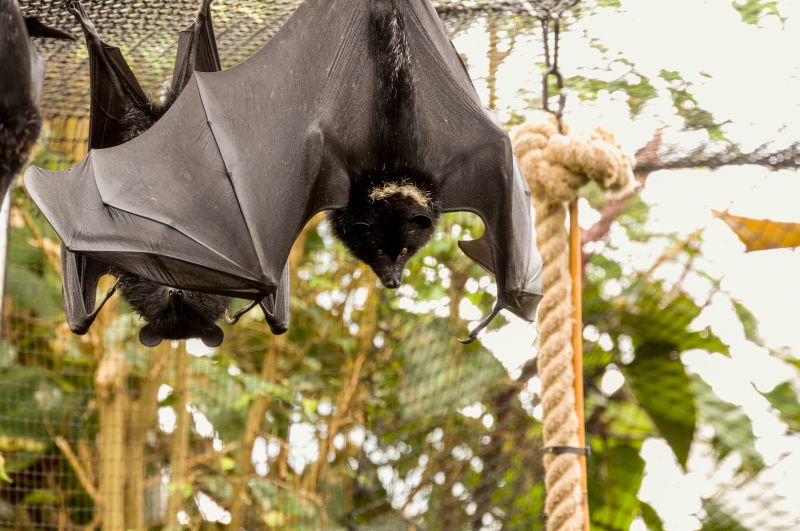
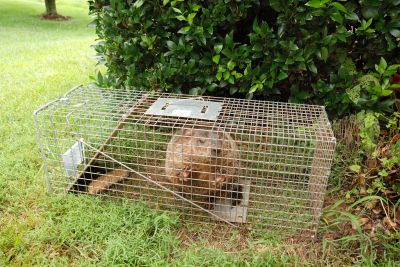
Humane wildlife removal is a key consideration for property owners dealing with animals that have entered or are nesting on their premises. When animals such as raccoons, squirrels, or bats find their way into attics, crawl spaces, or other parts of a property, it can cause damage to structures and create potential health concerns. Local service providers that specialize in humane wildlife removal can help safely and effectively remove these animals without causing them harm, ensuring that property damage is minimized and that the animals are relocated responsibly.
In addition to protecting property, humane wildlife removal contributes to overall safety by preventing animals from becoming aggressive or causing accidents. For instance, animals that are trapped or stressed may act unpredictably, increasing the risk of bites or injuries. Working with local contractors experienced in humane removal methods ensures that animals are handled properly and that entry points are sealed to prevent future intrusions. This approach helps property owners maintain a safe environment while respecting the well-being of local wildlife.
Why is humane wildlife removal important for property safety? Humane wildlife removal helps prevent damage caused by animals such as chewed wiring, insulation destruction, and structural harm, protecting the integrity of a property. Local contractors use safe methods to remove animals without causing them harm, reducing the risk of further issues.
How does humane wildlife removal contribute to animal safety? Humane removal ensures animals are not injured or killed during the process, promoting ethical treatment and reducing the risk of animal suffering. Service providers handle animals carefully to prevent injury and facilitate their safe relocation.
What are the risks of not using humane wildlife removal services? Failing to use humane methods can lead to animal injuries, property damage, and increased chances of animals returning or causing further problems. Local service providers focus on effective, ethical removal to minimize these risks.
In what ways does humane wildlife removal support property preservation? Humane removal prevents animals from causing structural damage, such as nesting in vents or chewing through building materials, helping maintain the property's condition over time. Local contractors are equipped to address these issues responsibly.
Why should property owners choose professional humane wildlife removal services? Professionals have the experience and tools to safely and effectively remove animals, reducing the likelihood of property damage and ensuring animals are treated ethically during the process. They help maintain a safe environment for both animals and property occupants.
Identify entry points - property owners can work with local contractors to find and seal gaps or holes that animals use to access buildings, preventing future intrusions.
Implement humane removal methods - hiring local pros ensures animals are safely and ethically removed without causing harm or stress.
Secure waste and food sources - property owners can eliminate attractants by storing food properly and managing waste to discourage wildlife from returning.
Schedule regular inspections - routine checks by local service providers help detect early signs of wildlife activity, reducing potential property damage and safety risks.
If you are thinking about why humane wildlife removal is important for property and animal safety for a property, this guide is meant to help you understand this topic, the typical project types, and how different options might fit your plans.
When you are ready, you can use the quote form on this page to share a few details about your project. From there, local pros can review the basics and follow up with options that match what you have in mind.