Signs Your Commercial Property Has a Small Animal Issue
If you notice signs your commercial property has a small animal issue, local service providers can identify the problem and safely remove the animals to protect your space.
Understanding the signs your commercial property has a small animal issue is essential for maintaining a safe and secure business environment. Small animals such as rodents, squirrels, or raccoons can cause damage to wiring, insulation, and stored goods, leading to costly repairs and potential health concerns. Property owners in the area might find it practical to stay alert for unusual noises, droppings, or signs of gnawing-indicators that small animals may have taken up residence. Recognizing these early warning signs can help prevent more significant problems down the line, making it worthwhile to explore professional services that specialize in humane removal and prevention.
Local service providers experienced in small animal removal are equipped to assess the situation and implement effective solutions tailored to commercial properties. Whether it’s sealing entry points or safely removing animals, these experts understand the importance of safeguarding your property’s integrity. Staying informed about the common signs of small animal issues and knowing who to turn to can make all the difference in resolving the problem efficiently. Keep reading to learn more about identifying these signs and how local contractors can support property owners in maintaining a secure, animal-free environment.
- Small animal removal - property owners noticing scratching sounds or droppings inside their building may need local pros to identify and eliminate the infestation.
- Small animal removal - signs of chewed wiring or insulation can indicate small animals have entered, prompting local contractors to assess and remove the pests.
- Small animal removal - if there are unusual odors or nesting materials found in attics or crawl spaces, local pros can help locate and safely remove small animals.
- Small animal removal - visible damage to roofing or soffits might suggest small animal entry points, leading local service providers to perform targeted exclusion and removal work.
- Small animal removal - evidence of bites or gnaw marks near vents or utility openings can signal a small animal problem that local experts are equipped to handle.
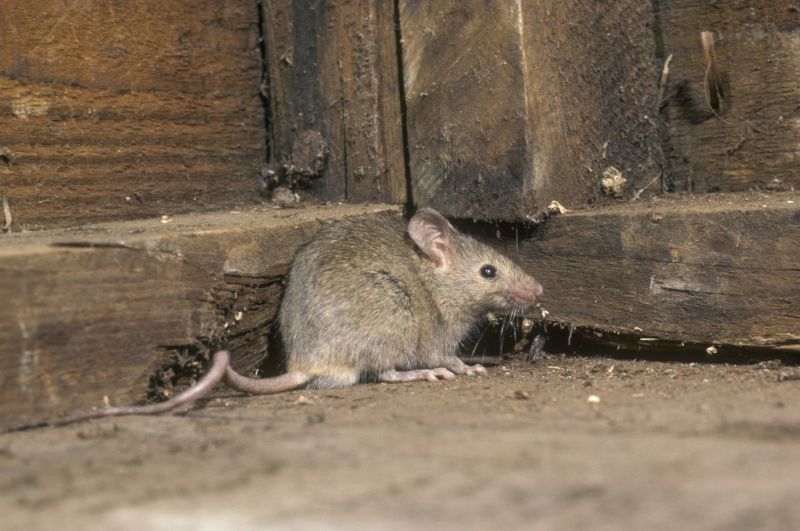
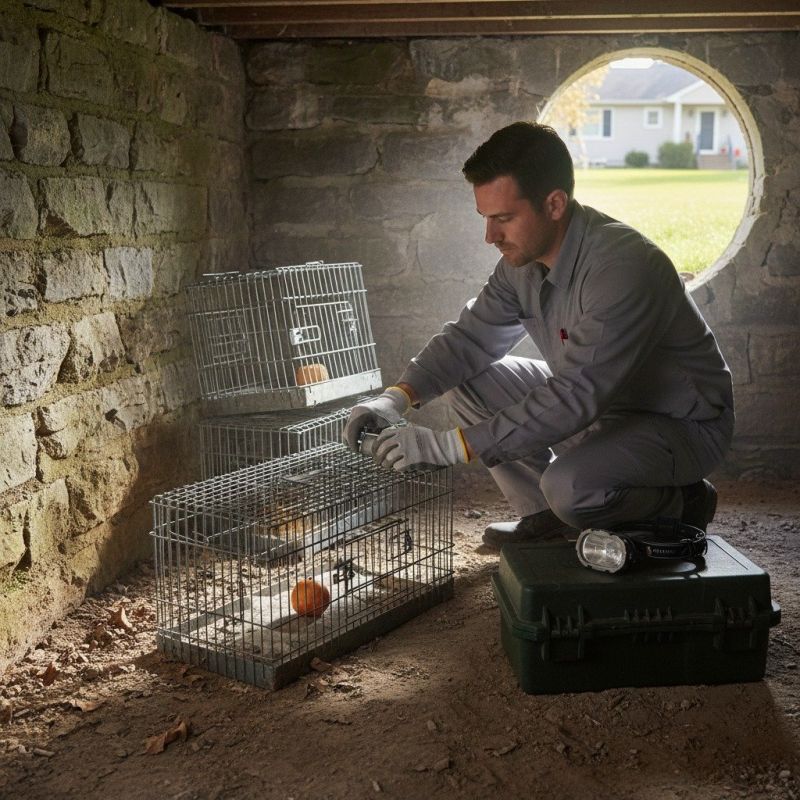
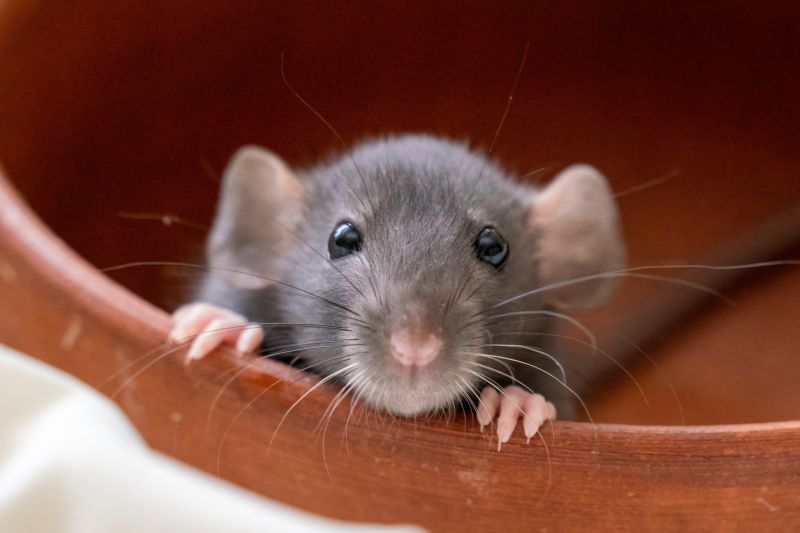
When people search for signs your commercial property has a small animal issue, they are usually concerned about the presence of unwanted creatures like rodents, bats, raccoons, or squirrels that may have taken up residence on or inside the property. Such concerns often arise when there are unusual noises, odors, or visual sightings that suggest animals are active nearby. Business owners, property managers, or facility operators want to identify these signs early to prevent potential damage, health hazards, or disruptions to their operations. Recognizing the early indicators of small animal activity is a crucial step in maintaining a safe, clean, and well-functioning commercial space.
This topic relates to a range of problems and plans associated with pest prevention, property maintenance, and damage control. Small animals can cause structural damage by gnawing on wiring, insulation, or building materials, which may lead to costly repairs or fire risks. They can also create unsanitary conditions through droppings and nesting materials, raising health concerns for employees and visitors. Addressing a small animal issue often involves inspection and removal, sealing entry points, and implementing deterrents to prevent future infestations. For property owners and managers, understanding these signs helps inform decisions about when to seek professional assistance to eliminate the problem effectively and protect their investment.
Commercial properties that typically encounter small animal issues include warehouses, retail stores, office buildings, restaurants, and industrial facilities. These properties often have features such as loading docks, storage areas, or roof access points that provide entryways for animals. Buildings with nearby trees, landscaping, or open spaces are also more susceptible to wildlife intrusion. In many cases, the presence of small animals can go unnoticed until noticeable signs emerge, making routine inspections and early detection vital. Local service providers specializing in small animal removal are equipped to handle these situations, helping property owners address the problem safely and efficiently.
Understanding the signs your commercial property has a small animal issue is essential for effective property management. Common indicators include strange noises within walls or ceilings, the sighting of animals or their droppings, unusual odors, or damage to insulation and wiring. Recognizing these signs early can prevent more serious problems and reduce the likelihood of health risks or costly repairs. When these signs are present, engaging local pros experienced in small animal removal is a practical step. These specialists can conduct thorough inspections, safely remove the animals, and help implement measures to prevent future intrusions, ensuring the property remains secure and functional.
Attic Insulation Replacement - This project involves inspecting and replacing damaged insulation caused by small animals, which is closely related to identifying signs of a small animal issue on commercial properties.
Building Damage Repair - Addressing structural damage such as chewed wires or weakened beams requires understanding small animal activity and implementing removal strategies.
Pest Entry Point Sealing - Sealing gaps and holes to prevent animal entry is a key step in managing small animal issues on commercial sites, requiring planning and repair skills.
Structural Inspection Services - Conducting thorough inspections to detect signs of small animals helps in early identification and planning for removal and prevention.
Sanitation and Debris Removal - Clearing droppings, nests, and debris left by small animals is essential in addressing signs of small animal activity on commercial properties.
Wildlife Exclusion Services - Installing barriers and exclusion devices to prevent small animals from re-entering buildings involves similar planning and installation skills used in small animal removal.
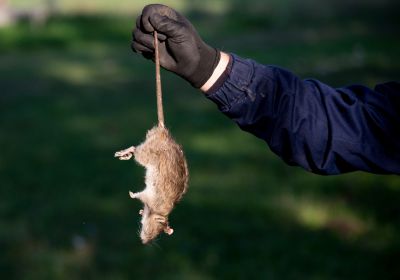
When evaluating service providers for small animal removal on a commercial property, it is important to consider their experience with similar projects. Contractors who have handled small animal issues in commercial settings are more likely to understand the unique challenges involved, such as access points, building structures, and property use. An experienced local contractor can provide insights into effective removal strategies and preventative measures tailored to the specific needs of commercial spaces, helping to ensure the problem is addressed thoroughly and efficiently.
Clear written expectations are essential when comparing local contractors for small animal removal services. This includes detailed descriptions of the scope of work, methods to be used, and any follow-up or preventative services offered. Having a well-defined plan helps prevent misunderstandings and ensures that the contractor’s approach aligns with the property’s requirements. Service providers who communicate their process clearly and provide written estimates or plans demonstrate professionalism and transparency, making it easier for property owners to make informed decisions.
Reputable references and good communication are key factors when selecting a local contractor for small animal removal. Contractors with positive references from previous commercial clients can offer reassurance of their reliability and quality of work. Additionally, responsive and clear communication throughout the process indicates a contractor’s commitment to customer service and their ability to address questions or concerns promptly. These qualities contribute to a smoother experience and increase confidence that the small animal issue will be managed effectively and professionally.
Property owners often search for signs your commercial property has a small animal issue when they are planning practical projects around their homes and businesses. Local pros provide Small Animal Removal services for everyday jobs and straightforward project options.
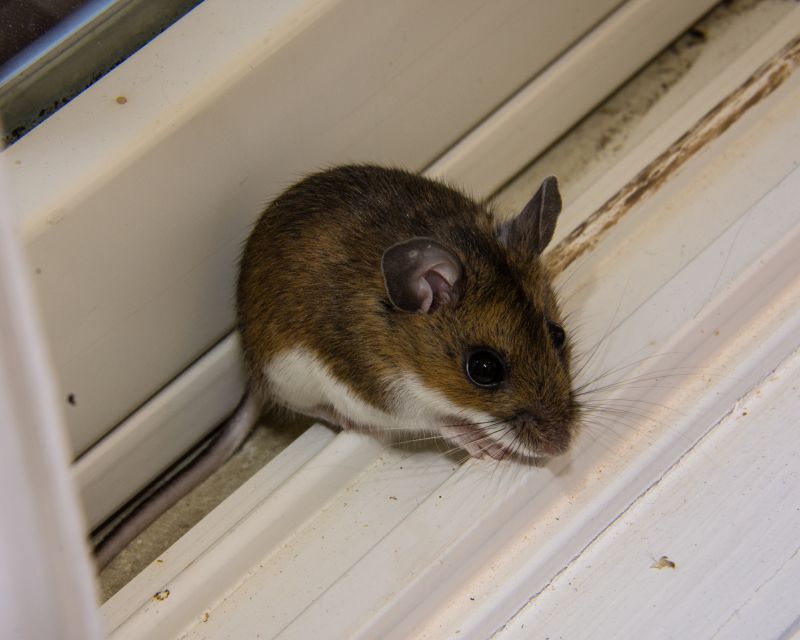
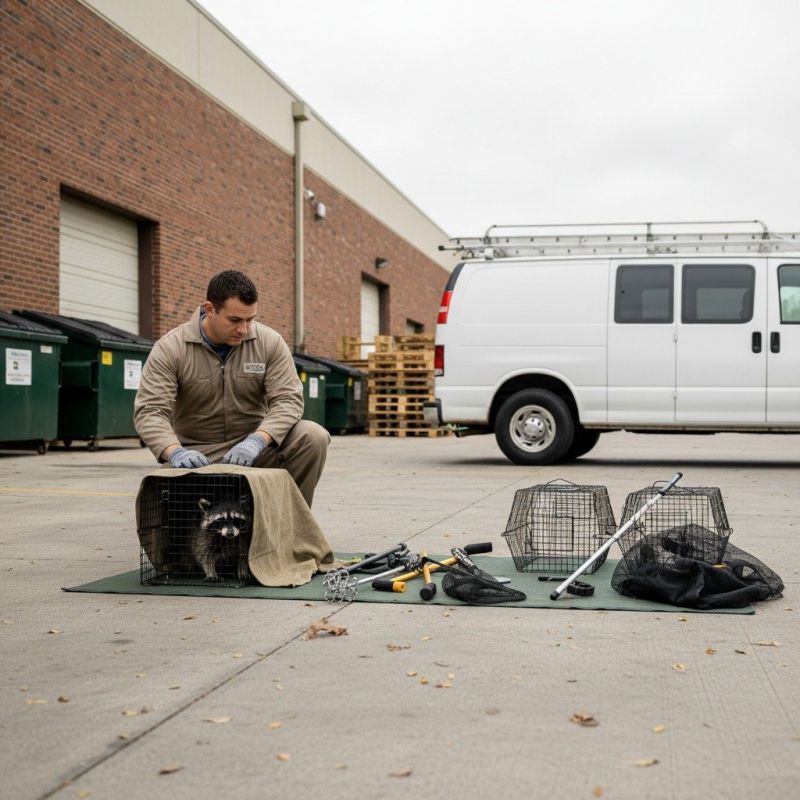
Signs your commercial property has a small animal issue often become noticeable through everyday project situations. Property owners may observe unusual noises coming from walls or ceilings, such as scratching or scurrying sounds, which can indicate the presence of small animals like rodents or squirrels. Additionally, signs like droppings, chewed wires, or gnaw marks on stored materials and structural components are common indicators that pests have taken up residence on the premises. Recognizing these signs early can help prevent more extensive damage and disruption to daily operations, prompting property owners to seek assistance from local contractors experienced in small animal removal.
In many cases, property owners might notice an increase in unpleasant odors or see evidence of nesting materials around vents, attics, or crawl spaces. These visual clues, combined with the presence of small animal droppings or damage to insulation, can signal a small animal issue that requires prompt attention. Engaging with local service providers specializing in small animal removal can help address the problem efficiently and effectively. These professionals are equipped to assess the situation, safely remove the animals, and implement measures to prevent future infestations, ensuring the property remains secure and functional.
What are common signs that small animals have entered a commercial property? Unusual noises, droppings, gnaw marks, and sightings of small animals or their nests are typical indicators of a small animal issue on a commercial property.
How can I tell if small animals are causing damage to the building? Signs include chewed wiring, damaged insulation, holes in walls or ceilings, and shredded materials, which suggest small animals may be present and causing damage.
Are there specific odors that indicate a small animal problem? Strong, musty odors or the smell of urine can be signs of small animals nesting or living within the walls or ceilings of a commercial property.
What should I look for to identify signs of small animal activity in storage areas? Look for chewed packaging, disturbed stored items, small droppings, and nesting materials, which may indicate small animals are active in storage spaces.
When should a business consider hiring small animal removal services? If signs such as noises, droppings, damage, or odors persist, it is advisable to contact local service providers to assess and address a potential small animal issue.
Unusual Noises - Hearing scratching or scurrying sounds inside walls or ceilings can indicate small animals are present, prompting property owners to seek professional removal services.
Droppings and Nests - Finding small droppings or makeshift nests in storage areas or hidden corners can signal an infestation that local contractors can address effectively.
Damage to Structures - Noticing chewed wires, insulation, or woodwork can be a sign of small animals, encouraging property owners to consult with experts for safe removal.
Odors or Unexplained Smells - Detecting persistent, foul odors near walls or vents may point to hidden small animal activity, leading to professional inspection and removal services.
If you are thinking about signs your commercial property has a small animal issue for a property, this guide is meant to help you understand this topic, the typical project types, and how different options might fit your plans.
When you are ready, you can use the quote form on this page to share a few details about your project. From there, local pros can review the basics and follow up with options that match what you have in mind.