How Wildlife Can Damage Roofs, Attics, and Insulation
People searching for wildlife removal are typically looking to prevent damage to roofs, attics, and insulation, and local service providers can help safely remove animals and repair the affected areas.
If you’ve recently noticed signs of wildlife activity around your property, understanding how wildlife can damage roofs, attics, and insulation is an important step in protecting your home. Animals such as raccoons, squirrels, and birds often seek shelter in attics and roof spaces, which can lead to a range of issues - from chewed wiring and damaged shingles to compromised insulation that affects energy efficiency. Property owners in the area may find it helpful to explore this topic to better recognize early warning signs and prevent costly repairs.
Engaging with experienced wildlife removal service providers can be a practical solution for addressing these issues. Local contractors specialize in safely removing animals and repairing the damage they cause, helping to restore the integrity of your roof and attic space. Keeping informed about how wildlife can impact your home empowers property owners to take proactive steps, ensuring that any wildlife-related damage is handled promptly and effectively.
- Roof damage repair - homeowners noticing leaks or structural issues may need local contractors to assess and repair damage caused by wildlife intrusions.
- Attic inspection and sealing - signs of animal entry or nesting in the attic prompt local service providers to inspect and seal entry points effectively.
- Insulation replacement - when insulation is compromised by wildlife contamination or nesting, local pros can remove and replace it to restore energy efficiency.
- Wildlife exclusion services - residents experiencing repeated wildlife entry often seek local contractors to install barriers that prevent future damage.
- Damage cleanup and removal - after wildlife has caused damage, local specialists can safely remove debris and contaminated materials from the roof, attic, or insulation.
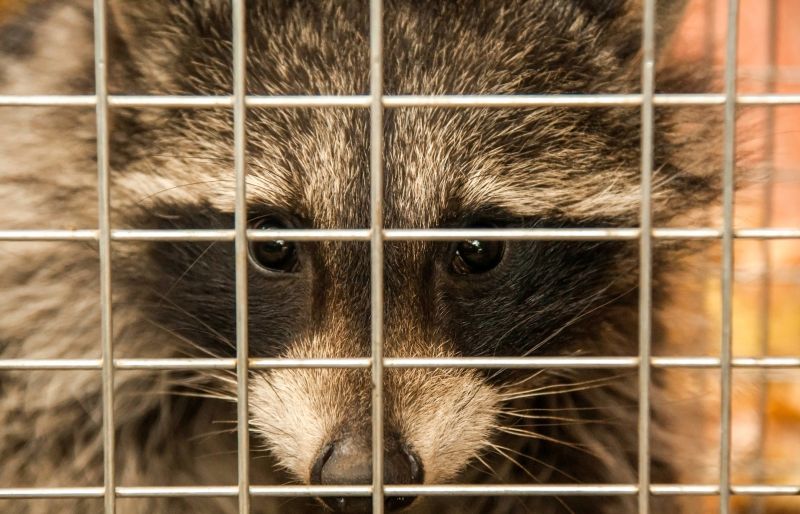
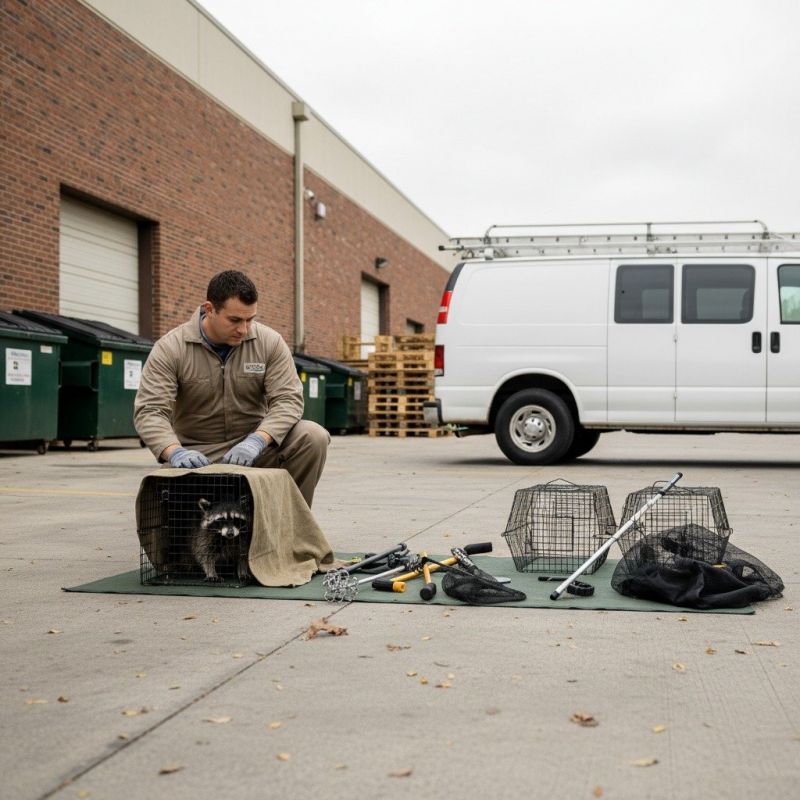
When homeowners search for information about how wildlife can damage roofs, attics, and insulation, they are often concerned about the potential for animals to cause structural issues or create costly repairs. This topic typically comes up when property owners notice signs of animal activity, such as strange noises in the attic, droppings, or damage to roofing materials. Many are exploring ways to prevent wildlife from invading their homes or seeking guidance on how to address existing problems caused by animals like raccoons, squirrels, bats, or birds. Understanding these risks helps homeowners plan effective solutions to protect their property and maintain a safe, functional living space.
The problems related to wildlife damaging roofs, attics, and insulation often involve animals nesting or seeking shelter in hard-to-reach areas. Raccoons, for example, can tear apart roof vents or loosen shingles to gain entry, while squirrels may chew through wiring or insulation to create nests. Bats and birds tend to roost in attic spaces, leaving behind droppings that can lead to foul odors, mold growth, and compromised insulation. These issues not only threaten the integrity of the roof but also impact the home's energy efficiency and indoor air quality. Homeowners concerned about these problems often look for ways to remove the animals and prevent future invasions, making the role of wildlife removal professionals essential.
Certain types of properties are more susceptible to wildlife damage due to their age, design, or location. Older homes with less secure roofing or attic access points are often at higher risk, especially if they are situated near wooded areas, water sources, or other habitats favored by wildlife. Rural properties, farmhouses, and suburban homes with mature trees nearby tend to experience more frequent animal intrusions. Properties with gaps in roofing materials, damaged soffits, or poorly sealed vents provide easy entry points for animals seeking shelter or nesting sites. Recognizing these vulnerabilities can help homeowners prioritize repairs and work with local service providers to implement effective wildlife exclusion measures.
Wildlife removal service providers play a critical role in addressing damage caused by animals and preventing future issues. They can identify entry points, safely remove animals, and recommend sealing or repairing areas that allow wildlife to access the roof and attic. These professionals also often assist with cleaning up droppings, disinfecting affected spaces, and restoring insulation that has been compromised. Engaging with local pros ensures that the problem is handled efficiently and humanely, reducing the chances of recurring invasions and further damage. For homeowners dealing with wildlife-related roof, attic, and insulation issues, connecting with experienced service providers can be a practical step toward safeguarding their property and maintaining a comfortable living environment.
Wildlife Damage Repairs - local contractors who specialize in repairing roofs, attics, and insulation after wildlife intrusion can help restore structural integrity and prevent future issues.
Pest Proofing Services - services focused on sealing entry points and preventing wildlife from accessing roofs and attics are closely related to wildlife removal efforts.
Attic Insulation Replacement - professionals who replace damaged insulation due to animal activity ensure energy efficiency and protect against further wildlife-related damage.
Roof Inspection and Repairs - local service providers who inspect and repair roofs damaged by wildlife can identify vulnerabilities and reinforce roofing structures.
Exclusion and Barrier Installation - installing barriers to keep wildlife out of attics and roof spaces aligns with wildlife removal strategies to prevent recurring damage.
Structural Reinforcement Services - contractors who reinforce vulnerable roof and attic structures help mitigate damage caused by wildlife activity and prevent future intrusions.
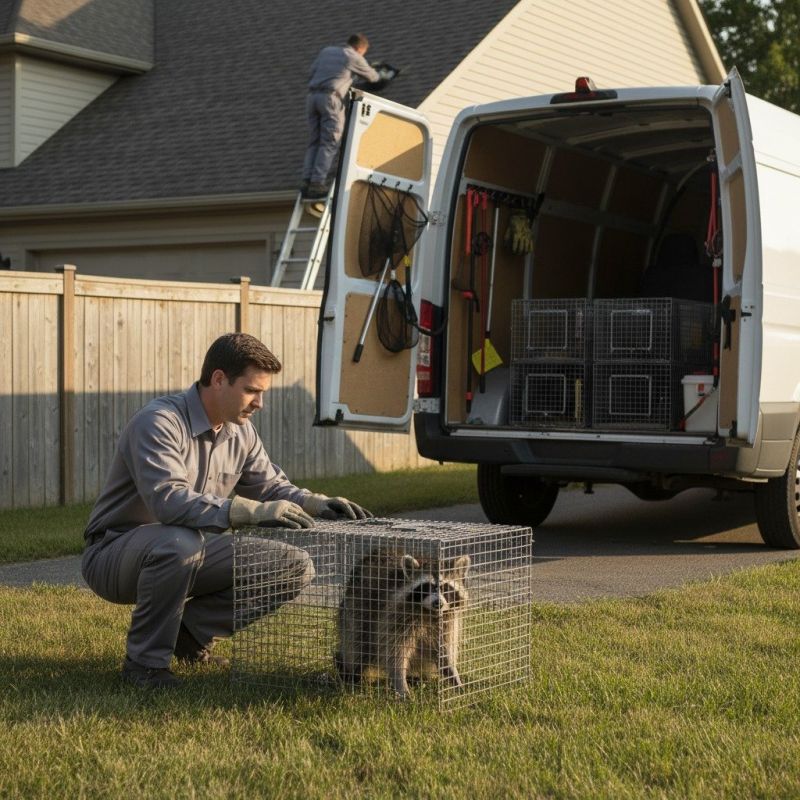
When comparing wildlife removal service providers, it is important to consider their experience with similar projects involving how wildlife can damage roofs, attics, and insulation. Service providers with a history of handling wildlife-related property issues are more likely to understand the common entry points and damage patterns, ensuring they can address the root causes effectively. Asking for references or examples of previous work can help gauge their familiarity with situations similar to your own, providing confidence that they have the skills needed to manage the specific challenges posed by wildlife intrusions.
Clear written expectations are essential when evaluating local contractors for wildlife removal. A reputable service provider should be able to explain the scope of work, including inspection, removal, and repair processes, in understandable terms. This clarity helps ensure that both parties are aligned on what will be done to prevent future damage and restore the safety of the home. Detailed communication about the steps involved can also help identify any potential gaps or concerns before work begins, leading to a smoother experience and a more thorough resolution.
Reputable references and good communication are key indicators of a dependable wildlife removal service provider. Service providers who can provide verified references or reviews demonstrate a track record of satisfied clients and successful project outcomes. Additionally, responsive and transparent communication throughout the process can make it easier to ask questions, clarify expectations, and stay informed about progress. Choosing local contractors with a reputation for clear communication and positive references can help ensure that the work addressing how wildlife can damage roofs, attics, and insulation is completed effectively and professionally.
Property owners often search for how wildlife can damage roofs, attics, and insulation when they are planning practical projects around their homes and businesses. Local pros provide Wildlife Removal services for everyday jobs and straightforward project options.
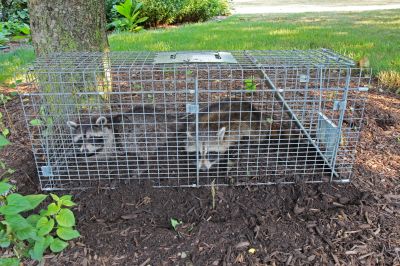
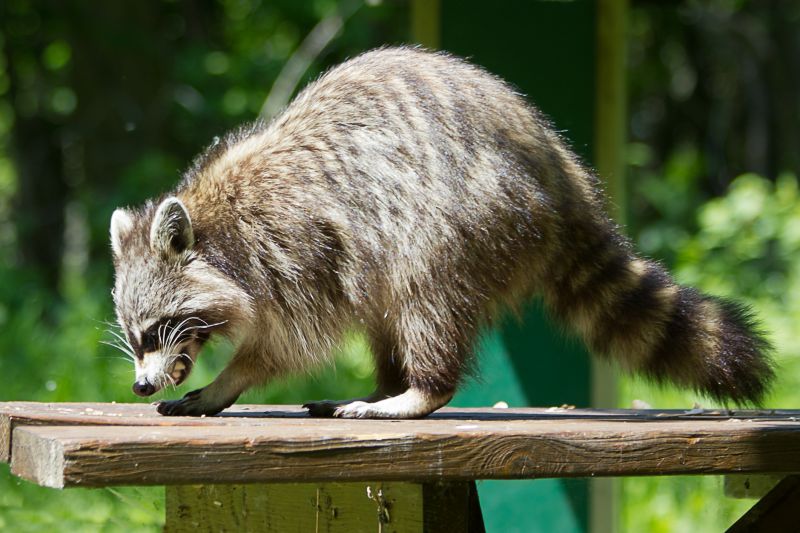
Wildlife can often find ways into roofs, attics, and insulation, leading to a variety of property damage. Common scenarios include animals like raccoons, squirrels, or birds nesting in roof vents, gaps, or damaged shingles. Their presence can result in chewed wires, shredded insulation, and blocked ventilation systems, which may cause further issues such as increased energy costs or water leaks. Property owners noticing unusual noises, droppings, or signs of animal activity might consider wildlife removal services to address these problems before they worsen.
In many cases, wildlife can cause structural damage that’s not immediately visible, making professional inspection and removal essential. Local contractors specializing in wildlife removal can help safely and effectively eliminate animals and repair entry points, preventing future intrusions. Addressing wildlife-related damage promptly can protect the integrity of the roof, attic, and insulation, ensuring the home remains secure and functional.
How can wildlife damage roofs and attics? Wildlife such as raccoons, squirrels, and birds can cause damage by chewing through roofing materials, creating entry points, and nesting in attic spaces, which may lead to structural issues and insulation problems.
What types of wildlife are most likely to harm insulation? Small mammals like squirrels, mice, and raccoons often burrow into or nest within insulation, compressing it and reducing its effectiveness, which can also lead to contamination and odors.
How does wildlife entry affect roof integrity? Wildlife entry points, such as holes or gaps created by chewing or nesting, can weaken the roof structure, increase the risk of leaks, and allow more pests or weather elements to cause further damage.
What signs indicate wildlife has damaged my attic or roof? Signs include visible holes or chewed areas, unusual noises, droppings, nesting materials, or a musty smell indicating insulation contamination from wildlife activity.
How can local service providers help prevent wildlife damage? Local contractors can inspect for entry points, remove current wildlife, and install barriers or repairs to prevent future damage, helping to protect roofs, attics, and insulation from wildlife-related issues.
Identify entry points - inspecting roofs and attics for gaps or holes can help property owners plan effective wildlife exclusion projects with local contractors.
Seal vulnerable areas - applying weatherproofing and sealing techniques can prevent wildlife from accessing and damaging insulation or attic spaces.
Install deterrents - using humane deterrents like mesh barriers or sound devices can keep wildlife away from roofs and attics during ongoing projects.
Schedule regular inspections - routine checks by local service providers can catch new wildlife activity early, minimizing damage to roofs and insulation.
If you are thinking about how wildlife can damage roofs, attics, and insulation for a property, this guide is meant to help you understand this topic, the typical project types, and how different options might fit your plans.
When you are ready, you can use the quote form on this page to share a few details about your project. From there, local pros can review the basics and follow up with options that match what you have in mind.